
Introduction
Of course, there are trade-offs involved in finding just the right packaging for your needs, and cost-effective packaging solutions can be a key part of your packaging strategy. This part of the guide will help you to think about the reasonable price range and various ways in which to achieve this aim while maintaining quality for your customers.

Identifying Your Packaging Needs
Start by assessing your current packaging needs. Think about the sort of product that you’re dispatching, the amount of protection it requires and any corporate identity issues. This first step is about not splurging on unnecessary features aids or insufficiently protecting goods which could lead to higher expenses later down the line. There is no golden rule, just guidelines so find our more on each category and make up your mind what suits you best.
- How do I protect my merchandise or export my products?
Choosing the Right Materials
Selecting the right materials is a balance between cost, protection, and presentation. Here are some popular options:
Cost Comparison Table
| Material | Cost per Unit | Protection Level | Eco-Friendly |
|---|---|---|---|
| Corrugated Cardboard | Low | Moderate | Yes |
| Biodegradable Packing Peanuts | Medium | High | Yes |
| Bubble Wrap | High | High | No |
Bulk Purchasing and Wholesale Options
Consider buying your packaging materials in bulk or buying wholesale packaging boxes . Buying larger quantities often means significant savings. Here are some principal consequences of this that you need to be aware. cost effective packaging solutions
Customization on a Budget
Branding your packaging does not have to be expensive. Try out budget custom packaging solutions and still promote your brand. In this way, make it possible to keep costs down and labor-intelligent.
Steps to Implement Cost Effective Packaging
- Assess Your Needs: Decide what exactly the packaging for your product needs to be able to do.
- Research Materials: Choose materials that both meet your needs and fit within your budget.
- Seek Bulk Deals: Get in touch with suppliers about buying large quantities at once.
- Customize Wisely: Choose cost-effective customization methods carefully.
- Monitor and Adjust: Regularly review your packaging strategy and costs.
If you follow all these steps, you can guarantee that your packaging is not just cost-effective. It will be appropriate for your item’s intended use as well. This helps maintain a balance between quality and budget in your whole manufacturing process.
Strategies for Selecting Wholesale Packaging Boxes
When you’re purchasing wholesale packaging boxes, the options can seem endless. However, the right choice is essential for both protecting your products and controlling your packaging costs. Here are a few strategies to help you decide which form of packaging is most effective in terms of cost as well as performance that suits your requirements.
Understand Your Packaging Needs
Before you go shopping for wholesale packs, it’s crucial to understand just what your packing needs are. What kind of brackets do you have in terms of size, weight and brittleness? How do you position your brand? Do you need custom printing or normal solutions?
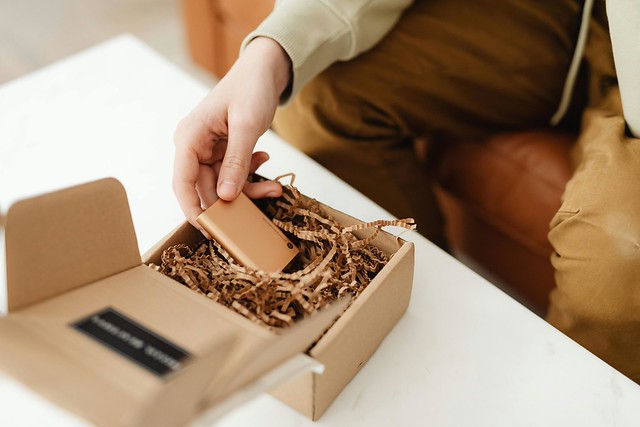
- Size and Strength: Make sure the boxes are the right size for your products and solid enough to protect them in transit.
- Custom Features: Decide if you need custom features like inserts, dividers, or special closures.
Comparison of Material Options
Different materials offer different protections, costs, and are sustainable in different ways. Cardboard, for example, is typically more economical than plastic. But it cannot support heavier loads and absorb impact as easily as other materials like fiberboard or plastic can. Wholesale packaging boxes might be made from cardboard, reinforced cardboard, or are made with plastics. While each type has its own advantages and drawbacks, it is up to the user to decide what works best for overall considerations.
| Material Type | Advantages | Disadvantages |
|---|---|---|
| Cardboard | Light and reasonable cost | Least durable, less sturdy |
| Corrugated Fiberboard | High strength and good for shipping | More negative than boxboard |
| Plastic | Durable and waterproof | Least environmentally friendly |
Supplier Assessment
Selecting a supplier is just as critical as selecting the packaging itself. Look for suppliers who provide quality wholesale packaging boxes at good prices and are known for their excellent customer service reputation.
- Get Price Comparisons: Obtain quotes from multiple suppliers to find out who offers the best deal.
- Quality Assurance: Check reviews, or ask for samples to evaluate the quality of the products.
Sustainability Issues
Negotiate for eco-friendly packaging solutions so that not only will you be helping the environment, but also attract environmentally attuned customers. Look for recycled raw materials, or check out companies that carry certifications.
- Recycled Material: Ask the supplier if there are recycled-content boxes available.
- Certification: Look for sustainability certifications such as Forestry Supervisor Safety Program or Sustainable Forestry at Work.
Costing of Your Boxes
In order to stay within budget, take total cost of ownership into consideration, especially including the initial purchase price of those cube mounting racks, freight costs (for reseller shipments) and additional labor charges.
| Cost Component | Description |
|---|---|
| Box Unit Cost | Price per unit based upon size, material & quantity |
| Freight | What it costs to keep the box masked and for a |
| Customization Cost | Fees for any added custom features |
In this way, you can pick wholesale boxes for your cost-effective shadow to provide alternative package solutions and also fit for your private needs. Keep in mind, this is the right selection which will save your money and make sure the products arrive in perfect condition.

Implementing budget custom packaging in Your Business
When you want to save money without sacrificing the quality of product packaging, implementing Budget Custom Packaging of goods might be an effective choice. Choosing cheap packing solutions will allow you to maintain your brand’s standards and attractiveness, in such a way that you can save some money on expenses. Here’s how you can start integrating Budget-Friendly Packaging Options into your Business.
A Step-by-Step Guide to Choosing Budget Custom Packaging
- Assess Your Packaging Needs: Confirm the necessary requirements for product packaging such as size, strength and aesthetic appeal. This will help you know what business units to lower and not compromise on.
- Research Suppliers: Look for suppliers who provide wholesale boxes for packaging. Purchasing in quantity frequently decreases per-unit costs dramatically.
- Compare Material Prices: Different materials have different prices. Evaluate materials that offer durability and good looks but are cheaper. Choices like recycling paper or a lighter plastic can be cost-effective.
- Design for Efficiency: Streamline your product packaging design in order to reduce production costs. Avoid complicated shapes and materials that are excessive contributing to greater expenses for manufacture.
- Negotiate Prices: Do not hesitate to bargain with suppliers for cheaper rates particularly when purchasing large quantities.
Cost Comparison Table for Various Packaging Materials
| Material | Cost per Unit | Durability | Aesthetic Appeal |
|---|---|---|---|
| Cardboard | Low | Medium | High |
| Plastic | Medium | High | Medium |
| Recycled Paper | Low | Low | Medium |
Benefits of Budget Custom Packaging
- Savings: The whole packaging process can be streamlined. Choose the right materials, cut costs. The result is a sharp reduction in overall expenses.
- Sustainable Development: The use of recycled paper, for example, is in charge of sustainability for business.
- Brand Promotion: Custom packaging can be creative even on a budget. Essentially, it says that our products are your brand. It will become an attraction for more people to buy.
To implement budget custom packaging requires well thought-out planning and a series of strategic decisions. Through these steps and by using the tables given, you can strike a balance between cost and quality–keeping your packaging solutions both supportive of your financial ambitions and harmless to your product’s integrity.
Best Practices to Keep Quality as Costs are Cut
When you are told to optimize packaging costs without letting slip on quality, make sure that methods aim to boost both efficiency and excellence. Here are some best practices you can try when your required level of packaging processes and lowering costs too.
Design Optimization without Over-Engineering
Start with a review of your existing packaging designs. Streamline them without compromising their protective qualities. For example, see if you can still guarantee good transit security while using lighter, less material. This approach not only reduces the cost of materials but also cuts shipping weight and charges.
- Primary Course of Actions:
- Re-examine existing designs for any possible simplification.
- Verify with tests on new designs that they meet safety standards.
Material Selection to Lower Costs
Choosing materials is key. Select materials for pack performance and cost effectiveness. Sometimes it pays to invest a little extra in decent materials, as it will reduce the damage rate over time and so save money in fact.
- Material Comparison:
| Material Type | Cost | Durability | Weight |
|---|---|---|---|
| Corrugated Cardboard | Low | High | Light |
| Plastic | Medium | Very High | Light |
| Foam | High | Medium | Very Light |
Streamline Your Supply Chain
Streamlining your supply chain can save significant costs. Obtain better payment terms from suppliers, or what’s possibly more practical would be to gather your procurement together and so get bulk discounts. This is particularly effective for wholesale packaging boxes.
Here are some tips for your supply chain:
- Consolidating suppliers can increase your leverage in negotiating.
- Better prices with long-term contracts.
Implement Lean Manufacturing Principles
Lean manufacturing techniques can be employed to packaging operations, reducing waste and increasing efficiency. You should constantly strive for perfection, and only use those resources that add value to your customers.
Here are some lean techniques worth considering:
- Just-In-Time (JIT) Inventory to Save Stocking Costs.
- Kaizen events to improve process efficiency.
Use Technology to Your Advantage
Invest in technology to automate manual processes and lower labor costs. Automation in the measurement, cutting and assembly of packaging materials means a more accurate use of the raw materials, less waste.
Technological Investment:
- Automated production lines.
- Tools for precision cutting.
By adopting these strategies, you can get inexpensive solutions to your packaging needs that don’t compromise the quality of your products. Keep in mind, the cheapest course of action is not always best and doing things on-the-cheap can handicap your product.
- When it comes to realizing the goal of cost-effective packaging solutions, companies are putting them into action so that this year’s costs are lower than last years-and yet always maintaining quality levels.
- For businesses who don’t want to skimp on products but do need to reduce packaging costs, wholesale packaging boxes offer a low-cost alternative.
- Furthermore, by investing in customized packaging on a more reasonable budget, businesses can strike that delicate balance between cost efficiency and packaging solutions that reflect their branding and product requirements.
- Through innovative packaging designs and materials companies can make significant savings on their packaging processes without sacrificing the overall quality of the pack.
- In order to ensure that low-cost optimization efforts can continue long-term, one has to be constantly examining and modifying the packaging policies and methods.
Please don’t hesitate to contact us if you need further information on cost-effective packaging!